Did you know that 80% of readers will give up on a book if they catch repeated errors? That's an astonishing fact for any writer looking to engage an audience. Book editing is your little secret to making your story sparkle, untainted by distractions such as typos or plot holes. Pre-publishing editing turns your manuscript into a shining gem that readers won't be able to put down before you press the "Publish" button. Let's discuss how editing for authors is not negotiable and how it takes your book to the next level.
Your book is your legacy, yet first drafts are not often perfect. Grammar, pacing, or clarity mistakes can yank readers away from your story. Editing for writers identifies these problems, making certain your story reads smoothly. According to a Reedsy survey in 2023, 90% of self-published authors who had paid for professional editing received more reader reviews and appreciation. Editing is more than simply correcting errors; it's also about making your tone come to life and giving shape to your narrative. The reader will trust a well-written manuscript because it shows professionalism and commitment.
The process of book editing entails various layers, each with a different intention. Developmental editing addresses overall big-picture issues such as plot, character development, and pacing. Does the middle of your book sag? This process resolves that. Line editing tightens your writing, clarifying sentences for maximum effect. Copyediting addresses grammar, spelling, and consistency issues; imagine correcting missing commas or keeping your character's eye color consistent. Last but not least, proofreading snags those last-minute typos. Every pre-publishing stage of editing makes your book stronger, ready for center stage.
Foregoing editing for writers is like presenting a half-cooked cake; it may appear fine on the surface, but it will not be delicious. Readers are critical, and they're quick to post negative reviews. A 2022 Goodreads report revealed that highly typo-filled books had average ratings of 2.5 stars, while well-edited novels averaged 4 stars. Errors can also damage your reputation as a writer, and it becomes more difficult to establish a faithful following. Spending money on editing initially will save you from the expense of revisions or unsuccessful sales in the future.
Do you want to edit your book yourself? Yes, but it's difficult. You're too close to your work to see every mistake. Begin with self-editing: read your manuscript out loud to pick up on clunky phrasing, and use programs such as Grammarly for simple checks. Pre-publishing editing, though, often needs a professional's attention. Professional editors lend objectivity and knowledge, picking up issues you may overlook. Sites such as Reedsy or Upwork put you in touch with experienced editors who meet your budget. If budgets are lean, try swapping services with another writer or joining a critique group for input.
A properly edited book shines within a sea of competition. With more than 1 million books published each year, UNESCO estimates, refined manuscripts capture the attention of agents, publishers, and readers. Editing your book ensures your tale is concise, compelling, and free of errors, and its odds of making it onto bestseller lists or garnering rave reviews are higher. A well-tied story also sells more easily. Imagine book blurb copy that lures readers in or excerpts that sparkle on social media.
Begin editing for writers early. Put your first draft away for a week to create some distance. Make a checklist at each stage of editing to keep yourself on track. Clearly define your intentions to your editor. Do you need light polish or a deep overhaul? Allow time and funds for several passes, as most books take two passes. Last but not least, accept feedback. It's not about me; it's about having your book be the best it can be.
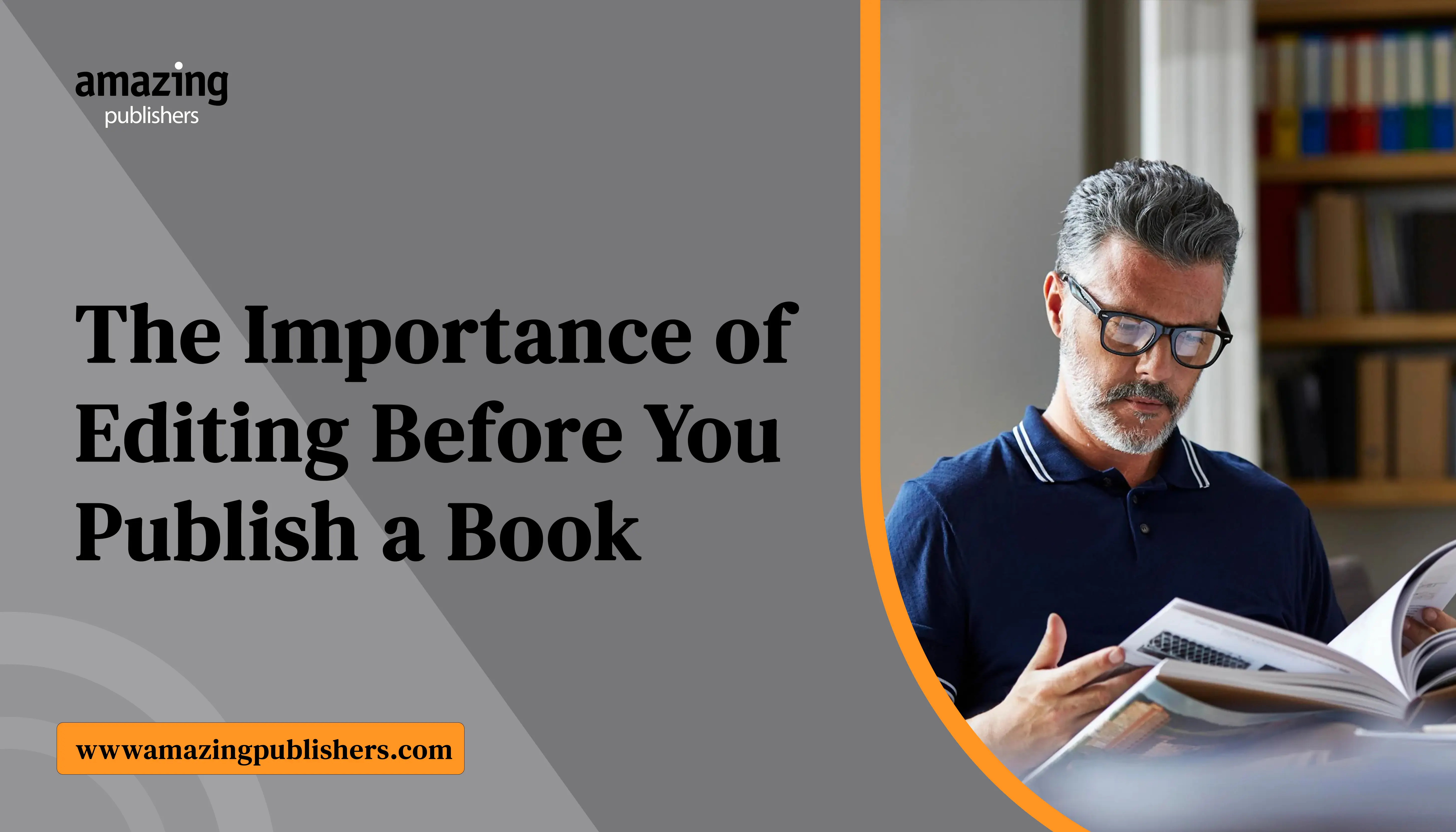
Pre-publishing editing is your last chance to perfect your book before it reaches readers. It’s not just about fixing errors; it’s about crafting an experience that keeps readers turning pages. A polished book reflects your commitment to quality, encouraging readers to recommend it and return for your next release. Don’t rush this step. Take the required time to refine your work, and you’ll reap the rewards in sales and reputation.
Editing is the link between a draft and a published classic. By giving the book editing process high priority, you make your tale resonate with readers and endure for generations. So, take out your red pen or pay someone to do it, and give your book the shine it needs before it reaches the shelves.